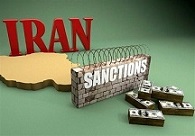
This analysis explores the validity of using intergovernmental economic correlations to reduce sanctions effects. It outlines principles like commitment adherence, identifies challenges like extraterritorial sanctions, and proposes programs for maintaining economic relations and supporting private sector engagement.
The Validity of Using Intergovernmental Economic Correlations to Reduce the Effects of Sanctions
$ 2
This analysis examines the validity of using intergovernmental economic correlations to reduce the effects of sanctions as a strategic approach for economic resilience. It presents a framework for maintaining international economic engagement despite external pressures. The study establishes core principles emphasizing adherence to commitments and support for legitimate multilateral cooperation.
The document identifies significant challenges including extraterritorial sanctions and blocked financial channels that hinder economic interactions. These obstacles create commercial risks and reduce foreign investment opportunities. The analysis then proposes concrete programs for enhancing economic relations across various sectors.
The article’s structured framework includes:
-
Four core principles for economic engagement
-
Five major implementation challenges
-
Seven strategic programs for sanctions mitigation
Using intergovernmental economic correlations requires strengthening private sector roles in economic development and maintaining energy exports. It demonstrates how financial support mechanisms can protect companies engaged with Iran. This approach encourages foreign investment through practical incentives and expert collaborations.
This study provides essential guidance for economic policymakers and international trade experts. It emphasizes establishing support mechanisms against unilateral sanctions and preserving oil export revenues. Implementing these programs can address executive obstacles through public-private sector cooperation.
The analysis highlights how small and medium enterprises play vital roles in economic resilience. It shows the importance of defending transparent economic interactions against political pressures. These steps are crucial for reducing sanctions effects through systematic international correlations.
Understanding these principles helps develop effective countermeasures against financial restrictions. The framework offers practical approaches for maintaining access to international markets. Proper execution requires continuous efforts to overcome banking channel limitations and investment uncertainties.

Reviews
There are no reviews yet.